Boy Paper Craft: Creative School Art
In the digital age, where screens dominate our daily interactions, there is a profound and grounding value in returning to tactile, hands-on creativity. The concept of Boy Paper Craft on Education School captures more than just a simple illustration; it represents a bridge between traditional learning methods and modern visual storytelling. This specific aesthetic—often seen in flat cartoon illustrations featuring a schoolboy engaged in paper folding or crafting—serves as a powerful symbol for educators, designers, and content creators who wish to communicate ideas about growth, patience, and manual dexterity.
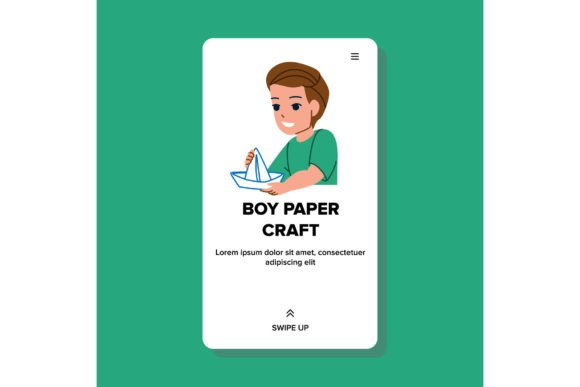
When we look at resources like the Schoolboy Paper Craft On Educational Training And Making Boat vector, we are not just seeing a character holding a piece of paper. We are seeing a narrative of transformation. A flat sheet becomes a three-dimensional object through focus and technique. For marketers, bloggers, and educational publishers, leveraging this imagery can instantly convey messages about DIY projects, STEM education, and the joy of handmade studying without needing paragraphs of explanation.
The Visual Language of Hands-On Learning
The appeal of the boy paper craft motif lies in its clarity and universal recognition. In web design and educational materials, clarity is king. A flat cartoon illustration strips away unnecessary detail, allowing the viewer to focus on the action: the act of creating. This style is particularly effective because it feels approachable. It does not intimidate the viewer with hyper-realism but invites them in with friendly, clean lines.
For designers working with formats like JPG and EPS, this versatility is crucial. The EPS format allows for infinite scalability, meaning the same image of a student folding a paper boat can be used on a massive billboard for an educational campaign or shrunk down for a mobile app icon without losing quality. Meanwhile, the JPG format offers lightweight options for quick-loading web blogs and social media posts. Understanding how to utilize these formats ensures that your creative assets remain consistent across all platforms.
Why Paper Craft Resonates with Modern Audiences
There is a growing movement among adults aged 20–50 towards "digital detox" activities. People are seeking hobbies that involve their hands and minds in a synchronized way. Paper craft fits this need perfectly. When you use imagery related to Boy Paper Craft on Education School, you tap into this cultural desire for mindfulness and tangible results. It reminds the audience of the satisfaction derived from completing a physical task, a feeling that is often missing in remote work or digital-heavy lifestyles.
Furthermore, this theme supports the narrative of lifelong learning. It is not just for children. Adults engage in origami, scrapbooking, and architectural modeling. By featuring a schoolboy character, you evoke nostalgia while simultaneously promoting the idea that learning is a continuous, playful journey. This dual appeal makes the imagery highly effective for a broad demographic, from parents looking for activities for their kids to entrepreneurs designing branding for creative workshops.
Practical Applications for Creators and Educators
So, how can you practically apply this concept? The possibilities extend far beyond a single lesson plan. Here are several ways different professionals can integrate this visual theme into their work:
- Educational Bloggers: Use the illustration as a header image for posts about fine motor skills, classroom management, or DIY science projects. It sets a tone of structured fun.
- Marketing Agencies: Incorporate the paper boat or folded animal motifs into campaigns for brands that value sustainability and craftsmanship. It suggests that the brand cares about the details and the process.
- App Developers: Use the character as part of an onboarding sequence for educational apps. It signals to the user that the experience will be interactive and guided.
- Publishers: Feature these vectors on book covers for guides on parenting, early childhood development, or creative teaching strategies. The visual immediately communicates the book’s subject matter.
Each of these applications requires a slightly different approach to the asset. For a blog, you might want a warm, inviting color palette. For a corporate training manual, you might prefer a monochrome or blue-toned version to maintain professionalism while still adding a touch of humanity.
Adapting the Style for Different Contexts
One of the strengths of the Character Creative And Handmade Studying Web Flat Cartoon Illustration style is its adaptability. You do not have to use the image exactly as it comes. Designers can recolor the elements to match brand guidelines. If your brand uses green and orange, you can adjust the boy’s shirt and the paper craft to reflect those colors, ensuring visual consistency.
Moreover, the elements can be deconstructed. You might take just the paper boat from the illustration and use it as a bullet point icon in a presentation. Or, you could isolate the boy’s focused expression to highlight a quote about concentration. This modular approach maximizes the value of your graphic resources, allowing you to create a cohesive visual identity without needing to commission new artwork for every single project.
Ensuring Quality and Originality
While using stock vectors is efficient, it is important to ensure your final output feels original and tailored to your audience. Avoid simply dropping the image onto a white background and calling it a day. Consider the context. Add text overlays that speak directly to your reader’s pain points. Combine the illustration with other graphical elements, such as geometric shapes or hand-drawn arrows, to create a unique composition.
Also, pay attention to accessibility. Ensure that there is sufficient contrast between the illustration and the background so that it is visible to users with visual impairments. If the image contains text, make sure it is legible. These small details demonstrate professionalism and care, reinforcing the trustworthiness of your content.
When selecting your assets, look for high-quality files. A pixelated JPG can undermine the perceived value of your content. Always start with the highest resolution available, preferably the EPS vector file, and export to the format you need. This practice ensures that your work looks crisp and professional, whether viewed on a high-definition monitor or a smartphone screen.
Final Thoughts on Creative Integration
The integration of Boy Paper Craft on Education School themes into your creative projects is more than a design choice; it is a strategic communication tool. It speaks to the values of patience, creativity, and education in a language that is universally understood. By leveraging these versatile illustrations, you can enhance your storytelling, engage your audience on an emotional level, and present complex ideas in a simple, accessible manner.
Whether you are designing a website, writing a blog post, or creating a marketing campaign, remember that the best visuals are those that serve a purpose. Let the image of the schoolboy crafting his paper boat inspire your audience to pick up their own tools, whether digital or physical, and start creating. In doing so, you not only share information but also spark the imagination, which is the ultimate goal of any educational or creative endeavor.