Understanding Physical Education Teacher Sublimation: A Guide to Custom Apparel and Digital Design
For educators who spend their days on the field, in the gym, or guiding students through active learning, standard apparel often falls short. The demand for durable, personalized, and visually striking clothing has led many to explore Physical Education Teacher Sublimation as a preferred method for creating custom gear. Unlike traditional screen printing or heat transfer vinyl, sublimation offers a unique blend of durability and design freedom that aligns perfectly with the dynamic nature of physical education.
This article explores what makes this printing technique distinct, how it compares to other customization methods, and why digital design files—such as those created by artists like Sarotiart—are becoming essential resources for teachers, small business owners, and crafters alike. By understanding the technical and practical aspects of this process, you can make informed decisions about whether sublimation is the right choice for your next project.
What Distinguishes Sublimation from Other Printing Methods?
To appreciate the value of Physical Education Teacher Sublimation, it is necessary to understand the underlying technology. Sublimation is a digital printing process that uses heat to turn solid dye particles into gas without passing through a liquid phase. This gas then permeates the fibers of polyester-based materials, bonding at a molecular level. The result is an image that becomes part of the fabric rather than sitting on top of it.
This distinction is critical when evaluating longevity and comfort. Traditional screen printing lays a layer of ink on the surface, which can crack, peel, or fade after repeated washing and intense physical activity. Heat transfer vinyl (HTV) creates a plastic-like layer that may feel stiff and restrict breathability. In contrast, sublimated designs remain soft, breathable, and vibrant because the dye is embedded within the fabric. For a Physical Education teacher who requires moisture-wicking properties and unrestricted movement, this technical difference translates directly to better performance and comfort.
Comparing Durability and Aesthetic Quality
When comparing options for custom apparel, durability is often the primary concern. Sublimation excels in environments where garments are subjected to frequent laundering and sweat. Since the ink does not sit on the surface, it cannot crack or peel. However, this benefit comes with specific material constraints. Sublimation only works effectively on polymer-based fabrics, typically requiring a minimum of 65% polyester content, and works best on white or light-colored backgrounds. Dark fabrics do not yield vibrant results because the translucent dye cannot override the base color of the shirt.
In terms of aesthetic quality, sublimation allows for full-color, photographic-quality prints with no limit on the number of colors used. This is particularly advantageous for complex designs, such as detailed illustrations of sports equipment, motivational quotes with gradient effects, or school logos with intricate shading. If your design goal involves simple, single-color text, vinyl might be a more cost-effective alternative. But for the creative, multi-colored designs often sought by PE teachers to inspire students, sublimation offers superior visual impact.
The Role of Digital Design Files in Custom Creation
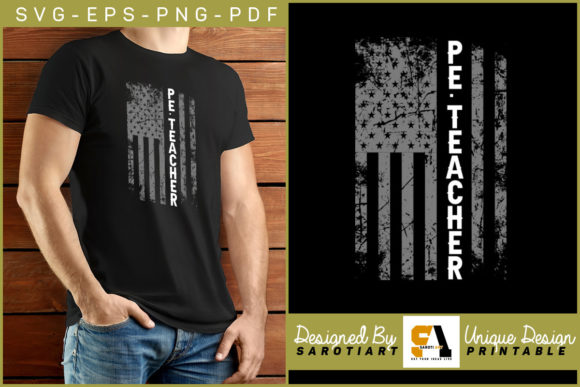
The rise of Physical Education Teacher Sublimation has been fueled by the accessibility of high-quality digital design files. Rather than hiring a graphic designer for every project, many educators and entrepreneurs now purchase ready-to-print digital assets. These files, often available in formats like EPS, SVG, PDF, and PNG, provide the flexibility needed for various applications beyond just t-shirts.
For instance, a zip-compressed folder containing these file types allows users to scale designs without losing quality. Vector files like EPS and SVG are ideal for resizing graphics for large banners or small stickers, while high-resolution PNGs are perfect for direct printing. This versatility means that a single design purchase can serve multiple purposes: creating team uniforms, designing printable decorations for a sports day event, making invitation cards for a retirement party, or producing social media banners for school athletics programs.
Artists like Sarotiart have recognized this need, offering unique and creative designs specifically tailored for Physical Education teacher lovers. These designs are not generic; they reflect the passion and identity of the profession. By providing immediate download access, creators empower buyers to produce items on their own timeline, whether for a last-minute gift or a planned school event.
Evaluating the DIY Approach vs. Professional Services
One of the key decision factors for consumers is whether to handle production in-house or outsource it. Purchasing digital files supports a DIY approach, which offers significant cost savings and creative control. You decide the garment brand, the fit, and the placement of the design. However, this route requires an investment in equipment, such as a sublimation printer, heat press, and appropriate blanks.
Alternatively, some may choose to buy finished products from print-on-demand services. While this eliminates the need for equipment, it reduces margin potential for those looking to start a small business and limits customization options. For individuals buying for personal use or family gifts, the DIY route using digital files provides a sense of accomplishment and ensures the final product meets exact expectations. It is important to note that when purchasing digital files, mockups are typically not included, and no physical product is shipped. Buyers must source their own blanks and handle the printing process.
Best-Fit Situations and Limitations
Understanding when to use Physical Education Teacher Sublimation helps avoid costly mistakes. This method is ideal for:
- Performance Wear: Jerseys, tank tops, and moisture-wicking shirts where breathability is crucial.
- Full-Color Designs: Projects requiring gradients, photos, or complex illustrations.
- Long-Term Use: Items that will be washed frequently and need to retain their appearance over years.
- Small Batch Production: Creating unique gifts for colleagues, family members, or specific class teams without minimum order requirements.
Conversely, sublimation may not be the right choice if you need to print on cotton t-shirts, dark-colored garments, or non-polyester materials like canvas bags or ceramic mugs without special coatings. In these cases, direct-to-garment (DTG) printing or screen printing might be more suitable alternatives. Additionally, if you lack the technical setup for heat pressing, the initial learning curve and equipment cost may outweigh the benefits for a one-time project.
Making an Informed Decision
Choosing the right customization method involves balancing quality, cost, and effort. Physical Education Teacher Sublimation stands out for its durability and professional finish, making it a top contender for active wear and spirited school apparel. By leveraging high-quality digital files, users can access creative, unique designs that resonate with the PE community.
Before proceeding, assess your specific needs. Do you have access to polyester-blend blanks? Are you comfortable operating a heat press? Is the design complex and multi-colored? If the answers are yes, sublimation offers a compelling advantage. If you prefer simplicity or are working with cotton, explore other printing methods. Regardless of the path chosen, the availability of specialized digital art ensures that expressing pride in physical education has never been more accessible or visually impactful.
Ultimately, the value lies in the combination of robust technology and creative expression. Whether you are creating a gift for a mentor, outfitting a team, or launching a small business, understanding the nuances of sublimation empowers you to produce results that are both functional and inspiring. Always verify file compatibility with your equipment and ensure you have the necessary tools to transform digital assets into tangible, high-quality products.