Bringing Prehistory to Life: The Educational Power of Dinosaur-Style Alphabet Vectors
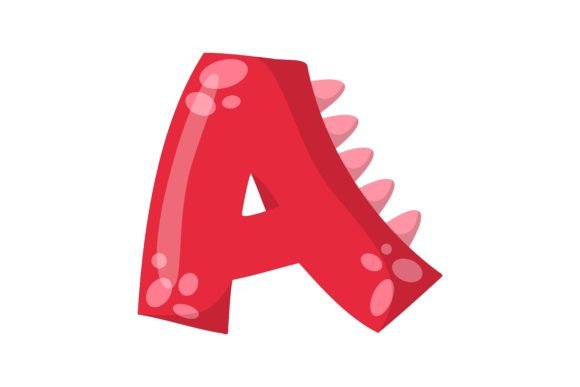
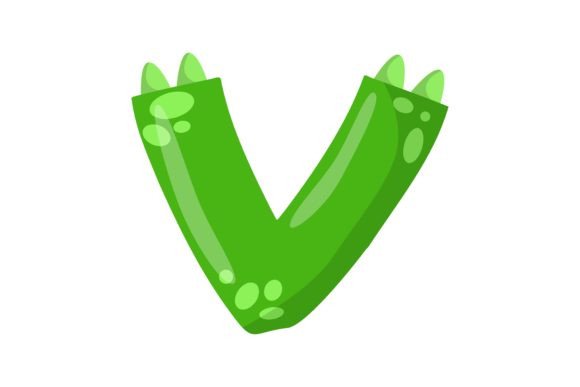
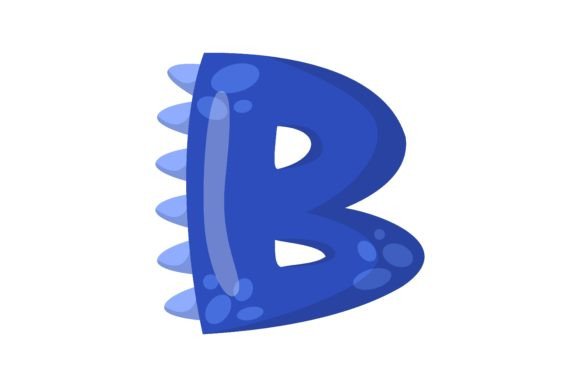
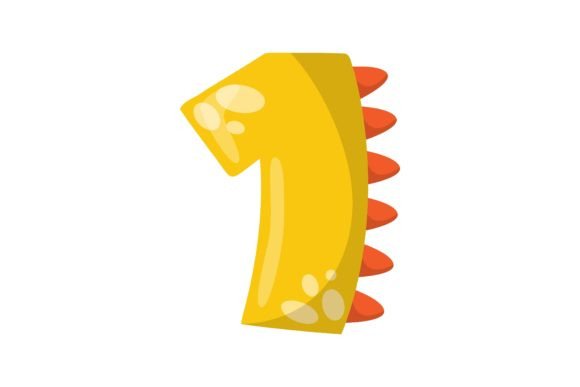
In the vibrant world of early childhood education, visual engagement is not merely a decorative choice; it is a fundamental pedagogical tool. Among the myriad of design resources available to teachers, parents, and content creators, the Alphabet Letter W in Dinosaur Font Vector stands out as a particularly compelling asset. This specific graphic element—a cute cartoon drawing of the English letter styled with prehistoric flair—serves as more than just clip art. It represents a bridge between abstract literacy concepts and the tangible, imaginative world that captivates young minds.
When we examine the Alphabet letter W in dinosaur font vector illustration, we are looking at a convergence of typography, paleontology, and developmental psychology. For kindergarten or school children, learning the alphabet can sometimes feel like a rote memorization task. However, by integrating these characters into a narrative framework involving dinosaurs, educators can transform a static lesson into an interactive adventure. This article explores the significance of such educational assets, their practical applications in modern teaching environments, and why the "dino style" remains a perennial favorite in educational design.
The Psychology Behind Thematic Learning
Why do dinosaurs hold such a powerful sway over children? Developmental psychologists often refer to this phenomenon as "dinomania." For many children, dinosaurs represent the ultimate combination of power, mystery, and scale. They are real enough to be studied scientifically but fantastical enough to spark endless imagination. When an educator introduces an education concept using a familiar and beloved theme, cognitive retention improves significantly.
The Letter W is a prime candidate for this treatment. In the English alphabet, 'W' is one of the later letters introduced, often associated with words like "Whale," "Wolf," or "Wind." However, "Velociraptor" or "Tyrannosaurus Rex" (though starting with T and R respectively) bring to mind the broader category of "Wild" creatures. A dinosaur-themed 'W' might visually incorporate elements of a Stegosaurus tail or the jagged teeth of a carnivore, creating a mnemonic device that helps children recall the shape and sound of the letter through visual association.
Vector Graphics: Why Format Matters in Education
You may notice the frequent mention of "vector" in the context of these illustrations. For those unfamiliar with digital design, understanding the difference between raster images (like JPEGs) and vector graphics (like SVGs or AI files) is crucial for practical application. A vector illustration is created using mathematical paths rather than pixels. This means the image can be scaled up to the size of a billboard or down to the size of a business card without losing any clarity or becoming pixelated.
For educators and designers, this scalability is invaluable. Consider the following practical uses for a high-quality dinosaur font vector:
- Classroom Decor: Printing large, crisp letters for wall displays that remain sharp even when enlarged to poster size.
- Worksheets and Handouts: Creating black-and-white coloring pages where clean lines are essential for young children to stay within the boundaries.
- Digital Learning Apps: Using scalable assets that look perfect on both small smartphone screens and large interactive whiteboards.
- Craft Projects: Cutting out letters from foam or cardboard requires precise edges, which vectors provide.
By utilizing vector formats, schools and parents ensure that their educational materials maintain a professional and polished appearance, which subtly reinforces the importance of the learning material itself.
Integrating Dino Letters into Daily Activities
The utility of a cute cartoon drawing of an English letter in dino style extends far beyond simple recognition. Here is how educators can integrate these assets into a broader curriculum:
- Phonics and Sound Association: Use the dinosaur 'W' to introduce words like "Webbed feet," "Wings," or "Walk." Ask students to identify which part of the dinosaur illustration resembles the letter shape. Is the tail curving like the bottom of the 'W'? Are the spikes forming the peaks?
- Art and Creativity: Provide students with the outline of the dinosaur letter and encourage them to fill it in with patterns. This enhances fine motor skills while reinforcing letter recognition.
- Storytelling Prompts: Create a narrative around the letter. "Meet Walter the Wyvern, who loves the letter W." Storytelling contextualizes abstract symbols, making them memorable characters rather than just shapes on a page.
- Interactive Games: Hide various dinosaur letters around the classroom. Have students find the 'W' and bring it back to the "Jurassic Park" zone. This combines physical activity with cognitive learning.
These activities demonstrate that the Alphabet Letter W in Dinosaur Font is not just a static image but a catalyst for active learning. It invites participation, curiosity, and creative expression.
Addressing Common Misconceptions
A common assumption among some educators is that thematic decorations can be distracting. There is a belief that "less is more" and that overly cute or complex illustrations might divert attention from the core lesson. While this is true if the design is cluttered or chaotic, well-designed vector illustrations actually aid focus. The key lies in simplicity and clarity.
A high-quality dinosaur font vector illustration balances the thematic element with typographic legibility. The letter 'W' must still clearly read as a 'W'. If the dinosaur features obscure the letterform entirely, the educational value is lost. Therefore, when selecting resources, look for designs where the dinosaur elements complement the letter structure rather than overwhelm it. The best examples use the curves and angles of the dinosaur’s body to form the strokes of the letter, creating a seamless integration of form and function.
The Broader Impact on Digital Content Creation
Beyond the classroom, these assets have significant relevance in the modern digital economy. Content creators, bloggers, and educational app developers are constantly seeking unique, engaging visuals. The demand for niche-specific graphics, such as cute cartoon drawings in dino style, has surged as parents seek high-quality, screen-based learning tools for their children.
For businesses in the ed-tech sector, using consistent thematic branding—such as a full set of dinosaur alphabet vectors—creates a cohesive user experience. It builds brand recognition and trust. When a child recognizes the same friendly dinosaur style across different apps, books, and worksheets, it creates a sense of familiarity and comfort, reducing anxiety associated with new learning environments.
Furthermore, the versatility of these vectors allows for customization. A designer can easily change the color palette to match a specific theme, such as earth tones for a geology unit or bright primaries for a general preschool setting. This adaptability ensures that the content remains fresh and relevant to diverse audiences.
Conclusion: More Than Just a Letter
The Alphabet Letter W in Dinosaur Font Vector is a testament to the power of thoughtful design in education. It encapsulates the joy of discovery, the rigor of literacy, and the boundless imagination of childhood. By leveraging these cute cartoon drawings, educators and parents can create rich, multi-sensory learning experiences that resonate with children on a deep level.
Whether you are designing a classroom bulletin board, developing a new educational app, or simply helping your child practice their ABCs at home, consider the impact of thematic consistency. The dinosaur motif is not a passing fad; it is a timeless hook that captures attention and fosters a love for learning. As we continue to blend technology with traditional teaching methods, resources like these vector illustrations will remain essential tools in our educational toolkit.
To explore more about integrating visual aids into early learning, consider researching best practices for visual literacy in kindergarten or browsing libraries of educational vector assets. By choosing high-quality, semantically relevant graphics, you invest in a clearer, more engaging future for young learners.